Best Chew Toys for Teething Puppies (That Survive the Sharp Months)
The best chew toys for teething puppies: tough rubber, freezable teethers, and puzzle chews that soothe sore gums and save your furniture from sharp teeth.
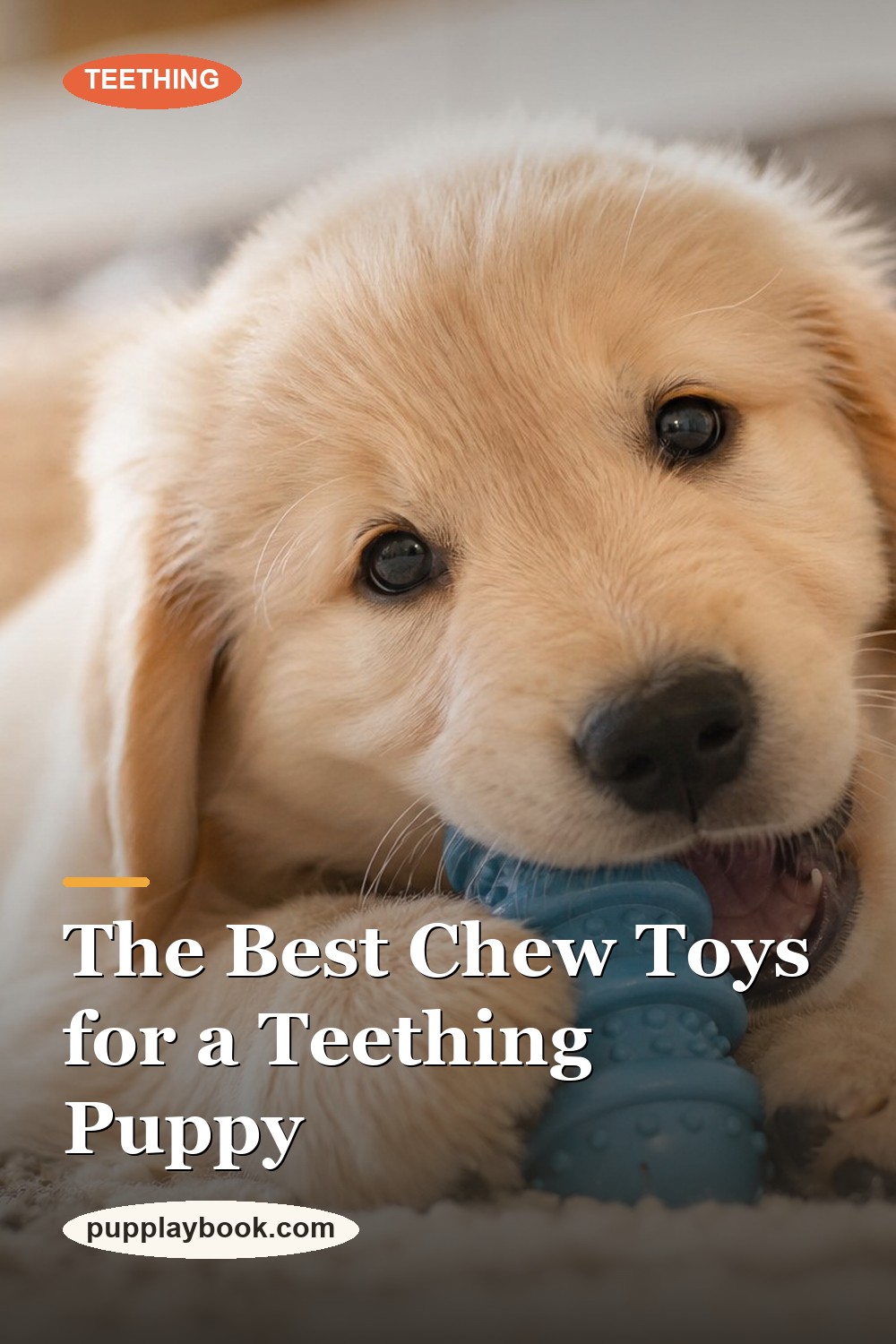
Somewhere around three to six months, your puppy's adult teeth push through and the chewing goes into overdrive. This is normal and necessary: chewing soothes sore gums and is how puppies explore the world. Your job is to give them better targets than your shoes and table legs.
These are the chew toys we'd keep on hand through the teething months. A good mix of textures, a couple you can freeze, and one puzzle toy will cover almost every sharp-toothed moment.
| Toy | Best for | Price range | |
|---|---|---|---|
| Durable Rubber Chew | Tough, fillable, freezable | $ | Check price → |
| Freezable Teether | Cold relief for sore gums | $ | Check price → |
| Puzzle Feeder Toy | Brain workout, rainy days | $$ | Check price → |
| Rope Tug Toy | Redirecting nippy play | $ | Check price → |
Our chew-toy picks for teething
Rotate a few of these so they stay interesting, and keep one in the freezer at all times during the worst weeks.
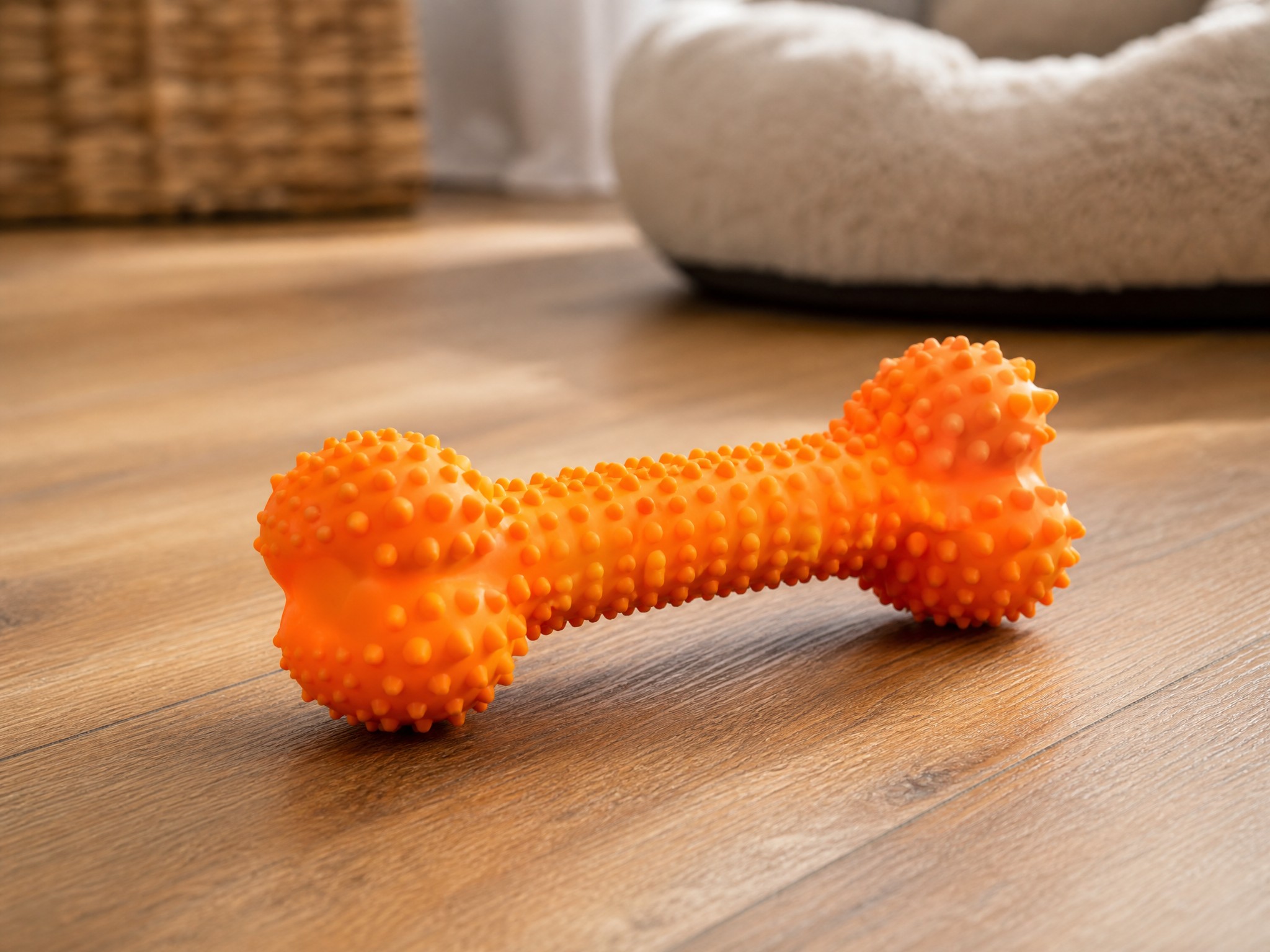
Durable Rubber Chew Toy
Our pick: KONG Classic Dog Toy
A classic stuffable rubber toy stands up to puppy teeth and can be filled with a little food and frozen for hours of relief. It's the one chew most trainers won't be without, because it doubles as a boredom-buster.
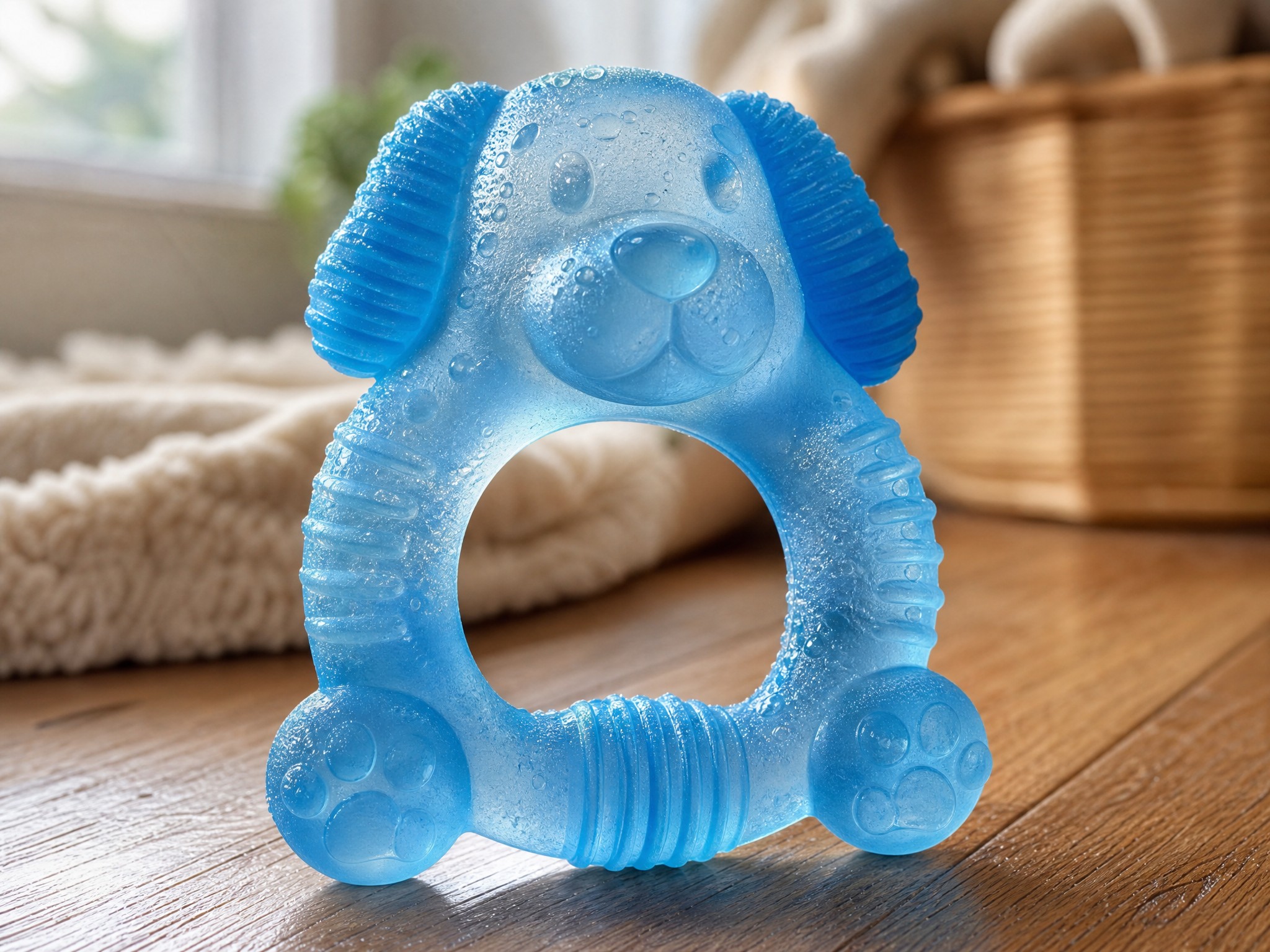
Freezable Teether
Our pick: Petstages Cool Teething Stick
A chillable teether numbs tender gums during the peak of teething. Keep one ready in the freezer so you always have a cold, soothing option when your puppy starts gnawing on the wrong thing.
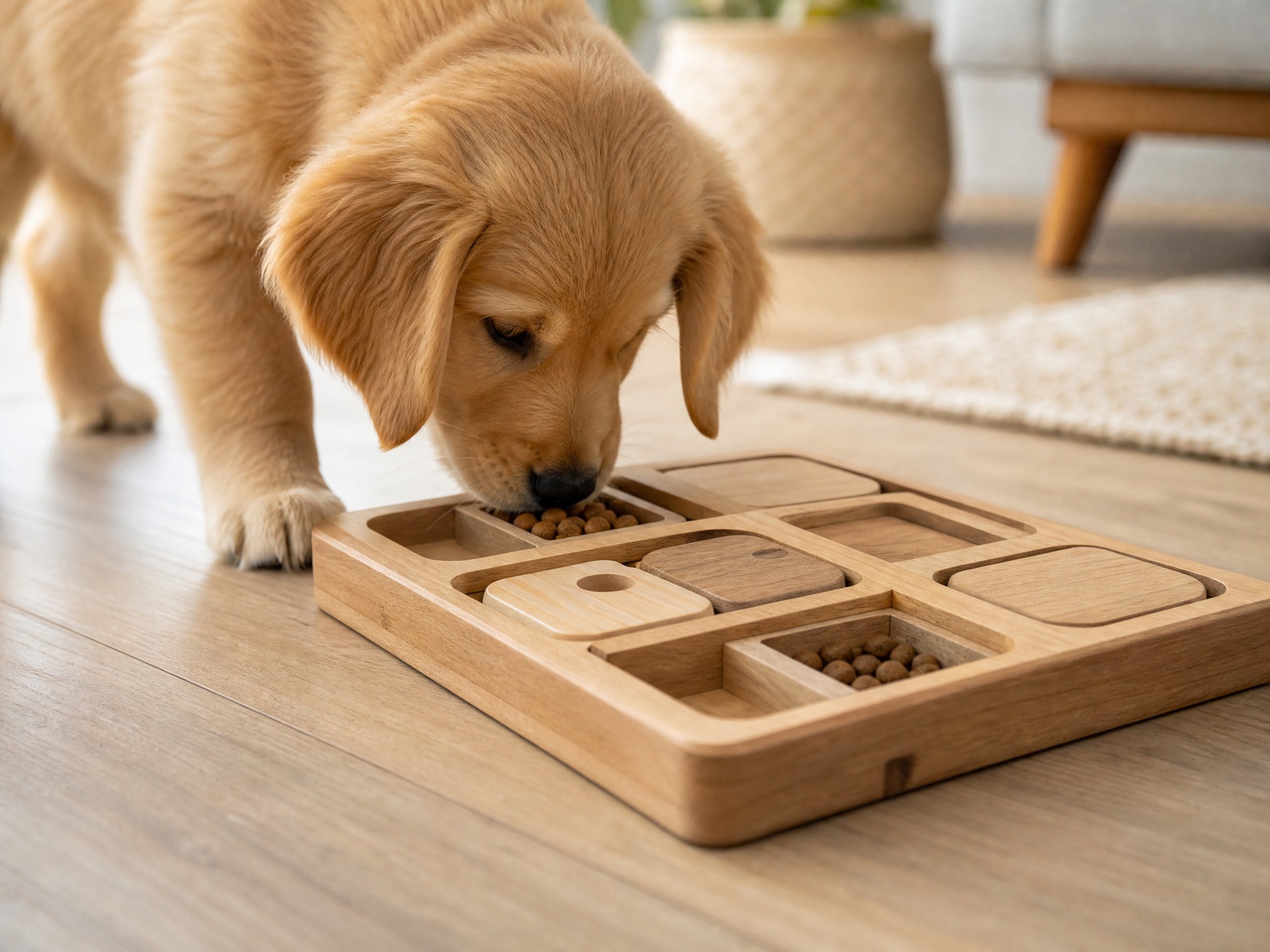
Puzzle Feeder Toy
Our pick: Nina Ottosson Dog Smart Puzzle (Level 1)
Hides treats your puppy has to work for. Mental effort tires a puppy as much as a walk and channels the chewing urge into problem-solving. Great for rainy days and for settling a wound-up pup.
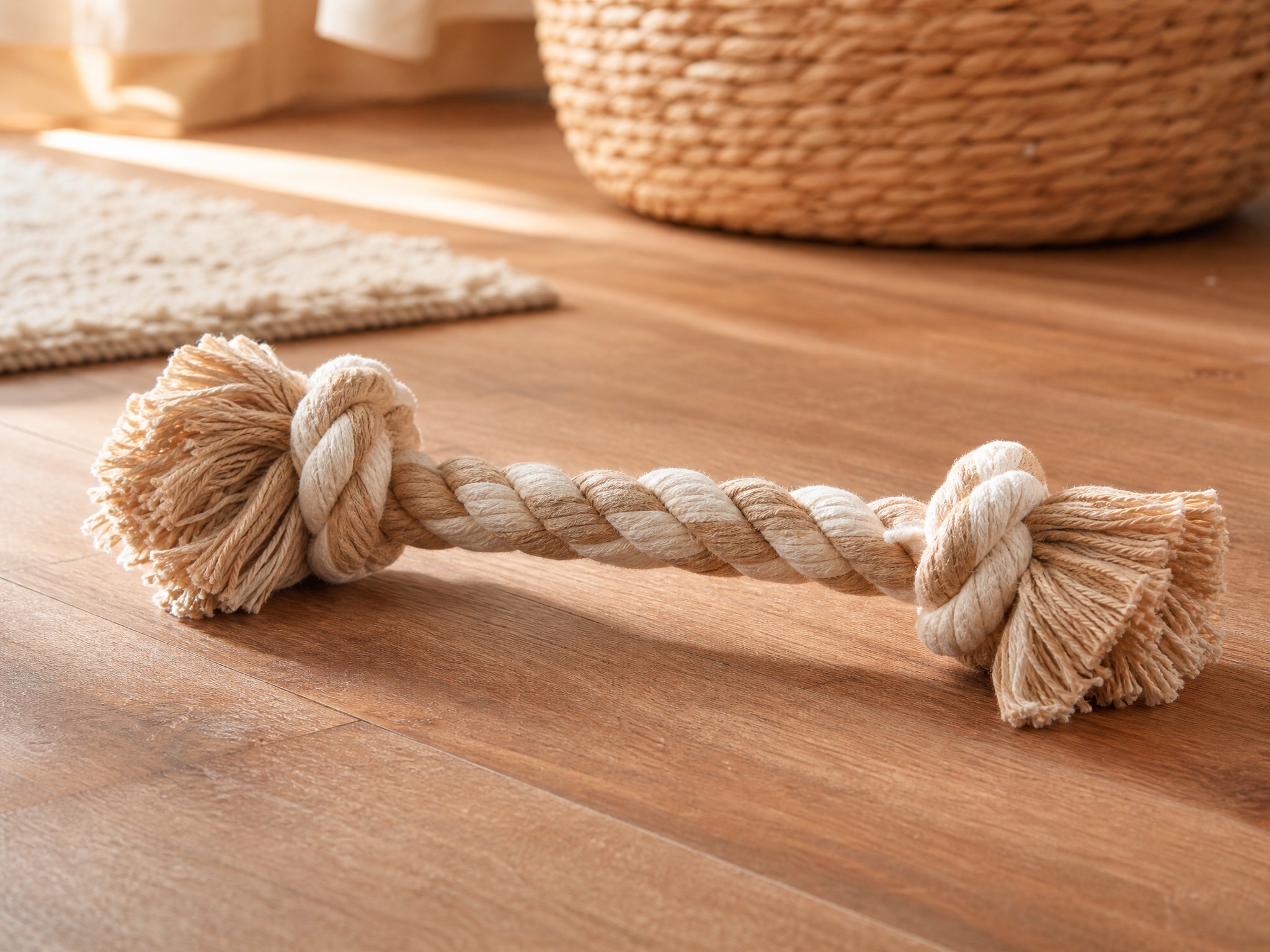
Rope Tug Toy
Our pick: Mammoth Flossy Chews 3-Knot Rope Tug
When those needle teeth come for your hands, a rope tug gives you something to redirect them onto. It also lets kids play with the puppy at a safe distance from the bitey end.
As an Amazon Associate I earn from qualifying purchases. Product buttons are affiliate links — buying through them may earn us a small commission at no extra cost to you, and never changes what we recommend. Full disclosure.
Choosing safe chews
A few simple rules keep chew time safe:
- Match the size to your puppy. A toy small enough to fit fully in the mouth is a choking risk. Go a size up if you're between options.
- Do the thumbnail test. If you can't make a small dent in a chew with your thumbnail, it's hard enough to crack a tooth. Skip antlers, hooves, and very hard nylon for young puppies.
- Supervise, and retire worn toys. Toss anything that's shredding into swallowable pieces, and watch new toys until you know how your puppy treats them.
Rotate, refresh, and replace
Three toys your puppy ignores are worse than one they love. The trick is rotation: keep most of the collection out of sight and swap two or three in every few days, so familiar toys feel new again. A puzzle or stuffable chew that you fill with a little food beats a plain one every time, because the work is what holds a puppy's attention.
Inspect chews regularly and retire any that are cracking or coming apart into pieces small enough to swallow. A toy that's done its job and started to shred is a hazard, not a bargain. Buying a couple of tougher chews you replace as needed usually costs less over the teething months than a bin of cheap toys that get destroyed in a day. For the bigger picture on what's happening in your puppy's mouth, see the puppy teething timeline. And to turn that biting into manners, our stop biting and chewing guide walks through redirection step by step.
Questions owners ask
Get the free New-Puppy Checklist
Put the whole first month on one page — supplies, setup, and the routine that keeps training on track.
Get the Free Checklist