How to Stop Puppy Biting and Chewing
Redirect sharp puppy teeth onto the right toys, teach bite inhibition, protect your furniture, and calm the overtired biting spikes without punishment.
Those needle-sharp puppy teeth are normal, and so is the urge to use them on your hands, ankles, and furniture. Puppies explore the world with their mouths and they teethe for months, so the goal isn't to stop chewing — it's to redirect it onto the right things and teach a soft mouth. With consistency, most of the wild nipping fades by around five to six months.
In this guide
Why puppies bite and chew
There are a few reasons happening at once: teething discomfort, exploration, play, and excess energy. Understanding that biting is communication and relief — not aggression — changes how you respond. You're not fighting a bad habit; you're guiding a normal one in a better direction.
Redirect, don't punish
When your puppy bites your hand, calmly swap in an appropriate chew toy. The instant they switch to the toy, praise them. Keep toys within reach in every room so the right option is always close. Punishing or yelping dramatically can backfire by either scaring a sensitive puppy or revving up an excited one, so keep your energy low and your redirection consistent.
Teach a soft mouth (bite inhibition)
Bite inhibition is your puppy learning to control the force of their jaws, and it's one of the most valuable things they can learn young. During play, if your puppy bites too hard, let out a calm “ouch,” stop the game for a few seconds, and then resume. Ending the fun teaches that hard bites make playtime stop. Over time you can raise the standard so even gentle teeth end the game. A dog that learned bite inhibition as a puppy is far safer for life.
Save the furniture and shoes
Manage the environment so your puppy can't rehearse the wrong habit. Put shoes away, tuck cords out of reach, and use a gated area or crate when you can't supervise. Make appropriate chews more appealing than your table leg — long-lasting chews and frozen stuffed toys are especially good for teething relief. If you catch your pup gnawing furniture, calmly redirect to a chew and praise the switch.
Check the overtired factor
A puppy who suddenly becomes a biting tornado is very often overtired rather than naughty. If nipping spikes, especially in the evening, try enforcing a nap in the crate. Many owners are amazed how much “biting problems” are really “needs a nap” problems. Pair good rest (see our healthy-puppy tips) with consistent redirection and the sharp-teeth phase passes.
What not to do
A few popular “fixes” tend to backfire. Holding a puppy’s mouth shut, flicking their nose, or yelling can frighten a sensitive puppy or wind up an excited one, and either way it damages the trust you’re building. Rough wrestling with hands invites exactly the hand-biting you’re trying to stop, so play with toys between your skin and those teeth. And don’t expect a young puppy to simply stop — chewing is a developmental need, not defiance. Your job is to manage and redirect it, not punish it out of them.
Give it time
Even with everything done right, expect weeks of work, not an overnight cure. The teething drive is strong and a puppy’s impulse control is still forming. What you’re really building is a habit: every time your puppy chooses a toy over your hand and gets praised for it, the right pattern gets a little stronger. Stay consistent across everyone in the household — mixed messages slow things down — and the calm, soft-mouthed adult dog you want is the payoff.
Gear we mention in this guide
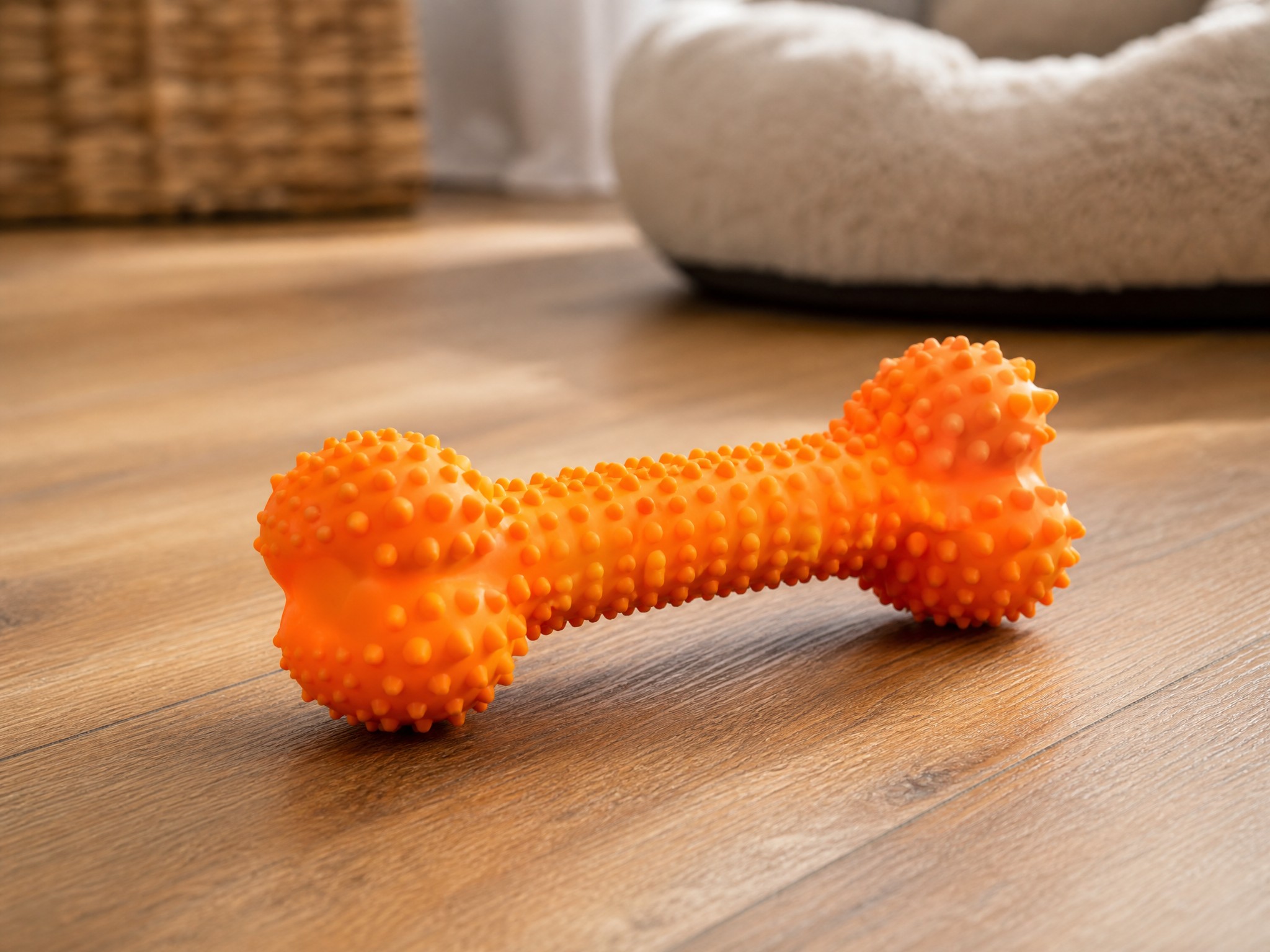
Durable Rubber Chew Toy
Our pick: KONG Classic Dog Toy
Stuff it, freeze it, and hand it over the moment those teeth find your hand or the furniture. Tough enough for puppy jaws and doubles as a boredom-buster.
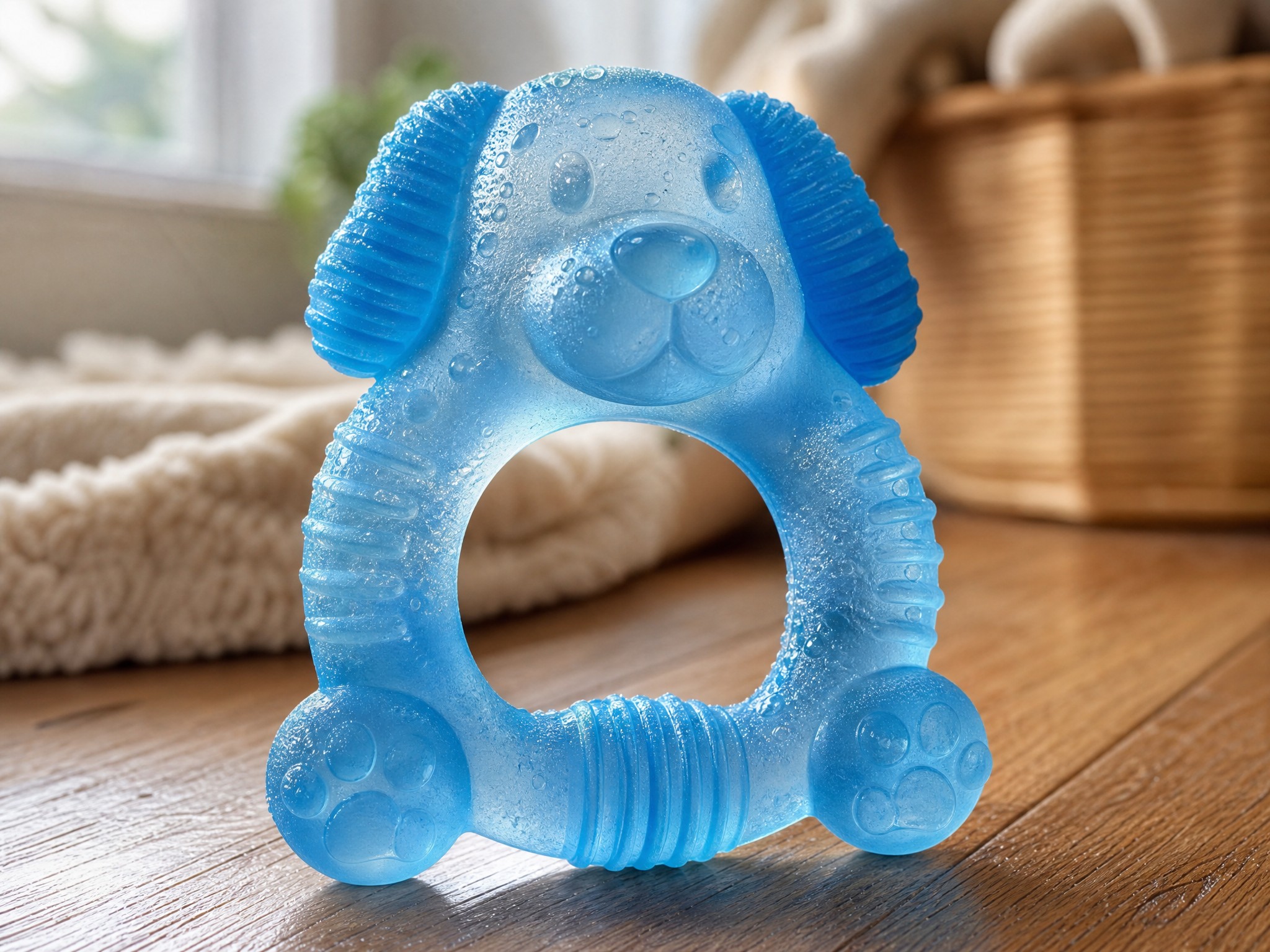
Freezable Teether
Our pick: Petstages Cool Teething Stick
Keep one in the freezer during the peak teething weeks. The cold numbs sore gums and gives your puppy a legal target for all that chewing.
As an Amazon Associate I earn from qualifying purchases. Product buttons are affiliate links — buying through them may earn us a small commission at no extra cost to you, and never changes what we recommend. Full disclosure.
Chewing-relief gear
A few durable chew toys and a freezable teether do wonders during the teething months.
Questions owners ask
Get the free New-Puppy Checklist
Put the whole first month on one page — supplies, setup, and the routine that keeps training on track.
Get the Free Checklist