Best Puppy Toothbrush & Dental Kit (Start Dental Early)
The best puppy toothbrush and dental kit: a brush-and-paste kit, finger brush, dental chews, and wipes, plus how to start brushing without a fight.
Dental disease is one of the most common health problems in adult dogs, and it starts quietly, with plaque that hardens into tartar long before you notice bad breath. The fix is dull and it works: brush your puppy's teeth regularly, starting young, while they're still learning that having their mouth handled is normal. Build the habit while your puppy is small and accepting, and you'll have a dog who tolerates a toothbrush for life.
Below are the picks we'd start a puppy on, from a basic brush-and-paste kit to the chews that help between brushings. Each comes with a plain note on why it earns its spot, plus how to introduce brushing without a fight.
In this guide
| Product | Best for | Price range | |
|---|---|---|---|
| Toothbrush & Toothpaste Kit | Everyday brushing | $ | Check price → |
| Finger Brush | Nervous beginners | $ | Check price → |
| Dental Chews | Help between brushings | $$ | Check price → |
| Dental Wipes | Quick wipe-downs | $ | Check price → |
Our picks for puppy dental care
Brushing is the main event, and everything else is support. Here's the kit, starting with the one tool you shouldn't skip.
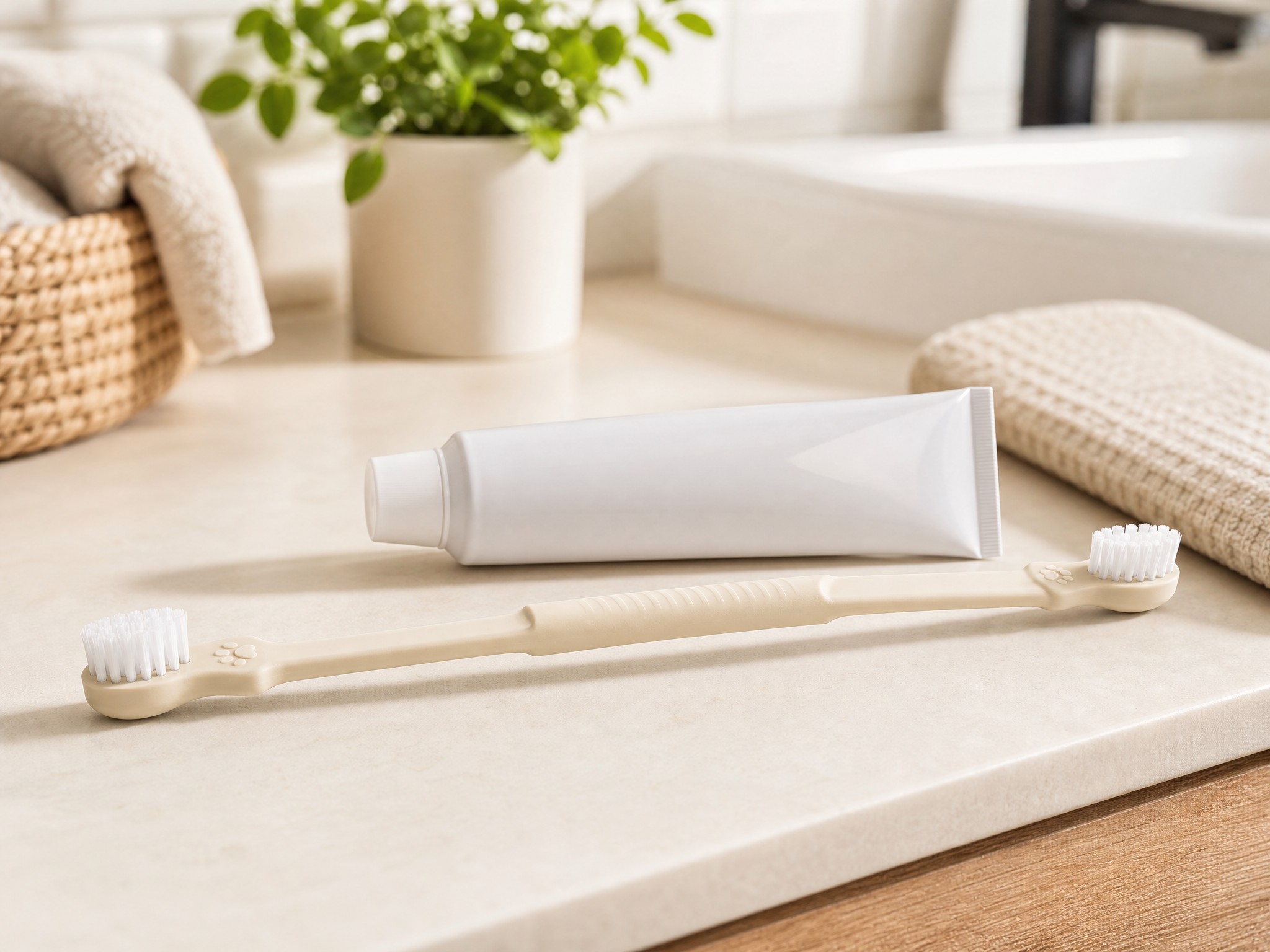
Toothbrush & Enzymatic Toothpaste Kit
Our pick: Vetoquinol Enzadent Enzymatic Toothpaste Kit
A soft dog toothbrush plus an enzymatic toothpaste made for dogs is the foundation of dental care. The enzymes keep working after you brush, and the paste comes in flavors like poultry that make your puppy think it's a treat. Never use human toothpaste, because the fluoride and the sweetener xylitol in it are toxic to dogs.
Finger Brush
Our pick: Jasper 360 Dog Finger Toothbrush
A rubber brush that slips over your fingertip gives you more control and feels less strange to a puppy than a long-handled brush. It's the gentlest way to start, letting your puppy get used to the sensation before you move up to a regular toothbrush. Many owners keep one around for quick touch-ups even later.
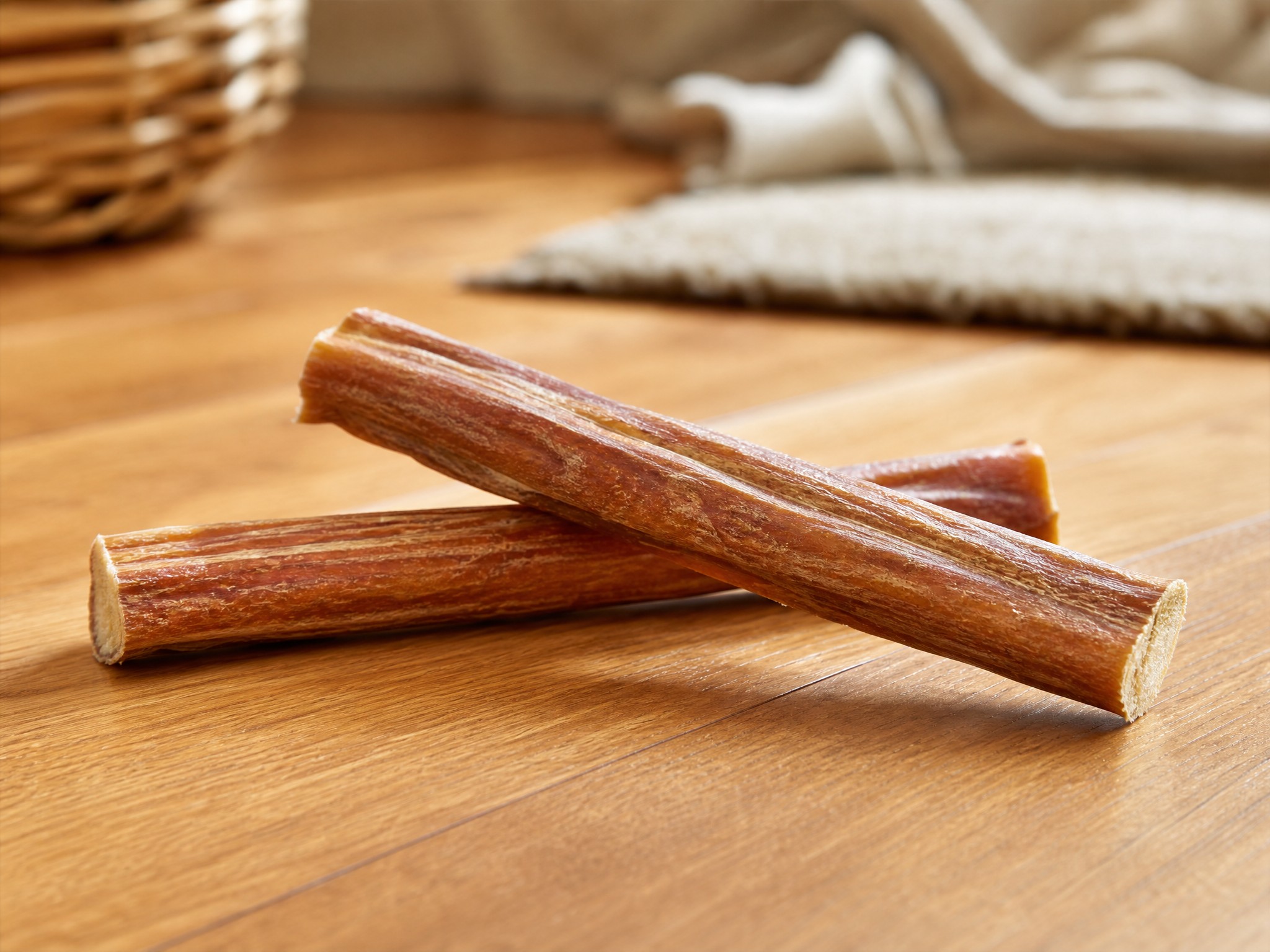
Dental Chews
Our pick: Greenies Original Dental Treats
A daily dental chew scrapes some plaque off as your puppy gnaws and freshens breath, which makes it a useful add-on between brushings. It does not replace brushing. Pick a size right for your puppy, choose products designed for dental use, and count the chew toward the day's calories.
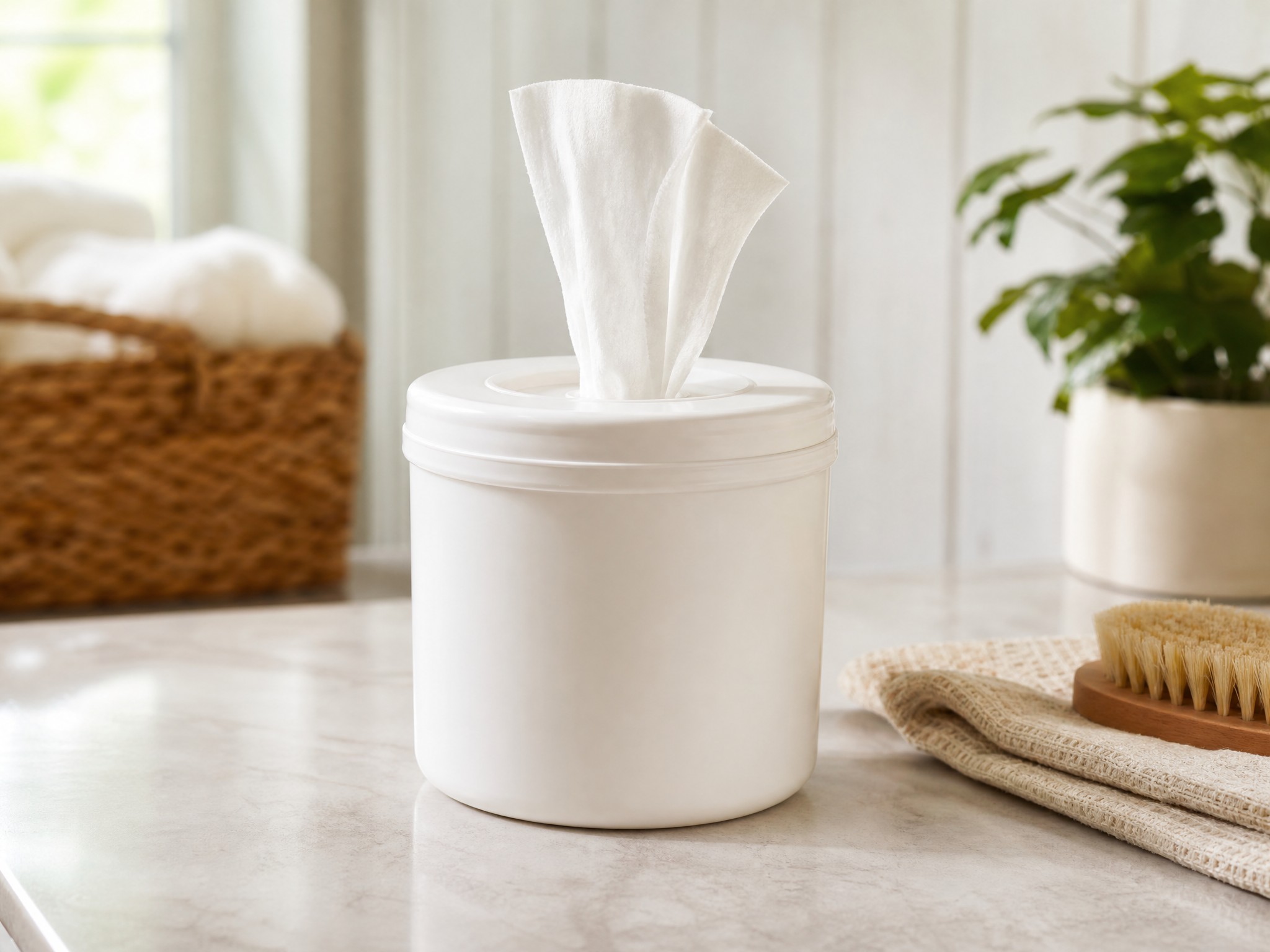
Dental Wipes
Our pick: Petkin Dog Dental Wipes (Fresh Mint)
For a puppy who won't sit still for a brush yet, a textured dental wipe rubbed along the gumline removes some plaque and buys you time while you build up to real brushing. They don't reach between teeth the way a brush does, so treat them as a stopgap rather than the whole plan.
As an Amazon Associate I earn from qualifying purchases. Product buttons are affiliate links — buying through them may earn us a small commission at no extra cost to you, and never changes what we recommend. Full disclosure.
How to start brushing without a fight
The goal is to make the toothbrush predict good things, so build up slowly over a couple of weeks:
- Start with a taste. Let your puppy lick a little dog toothpaste off your finger so the flavor becomes something they look forward to.
- Touch before you brush. Over a few days, lift a lip and rub a finger or finger brush along the outside of the teeth for a few seconds, then reward. Keep it short and calm.
- Build to a real brush. Once your puppy is comfortable, use the toothbrush at a gentle angle to the gumline, focusing on the outer surfaces where plaque builds. Thirty seconds a side is plenty to start.
Aim to brush daily if you can, or at least several times a week, since plaque starts to harden within a couple of days. Handle your puppy's mouth, paws, and ears a little every day so all of this feels routine. For the wider daily-care picture, see our healthy-puppy tips, and bring up your puppy's teeth at checkups using the vet-visit checklist.
Why start dental care so early
Puppies lose their baby teeth and finish teething by around six or seven months, and it's tempting to wait until the adult teeth are all in before worrying about brushing. The better move is to build the habit during the teething window, while your puppy is most open to new handling, so the routine is already locked in by the time those adult teeth need protecting. Watch during teething for a baby tooth that doesn't fall out as the adult tooth comes in, since a retained tooth can crowd the bite and trap food, and mention it to your vet if you spot one. Good home brushing plus regular professional cleanings as your dog ages prevents the painful, expensive dental disease that catches so many owners off guard. To round out grooming, our best puppy shampoo and grooming picks cover the bath-and-brush basics, all in the grooming section of the store.
Shop the full category
Toothbrush and paste, nail care, brushes, and gentle shampoo in one place.
Questions owners ask
Get the free New-Puppy Checklist
Put the whole first month on one page — supplies, setup, and the routine that keeps training on track.
Get the Free Checklist