Preventing Puppy Separation Anxiety From Day One
Teaching your puppy to be comfortable alone is a skill you build early. Small steps that prevent big problems.
One of the kindest things you can teach a puppy is that being alone is safe and temporary. Dogs are social animals, and a puppy who never learns to be by themselves can grow into a dog who panics when left — barking, destruction, and real distress. The best time to prevent separation anxiety is now, before it ever starts.
Don't be with your puppy 24/7
It's natural to want to spend every minute with a new puppy, especially in those first days. But constant togetherness can make alone time feel like a shock later. From the start, build in short, calm periods where your puppy is settled on their own — in a crate or pen with a chew — even while you're home.
Practice tiny absences
Teach alone time in small doses. Step into another room for a minute, then return calmly. Gradually stretch the time. The goal is for your puppy to learn that you always come back, so your leaving is no big deal. Keep arrivals and departures low-key — no dramatic goodbyes or excited reunions, which can crank up the emotional stakes.
Tire the brain and body first
A puppy is far more likely to settle alone after appropriate exercise and a little training. A tired, satisfied puppy naps; a wound-up one frets. Pair short play and a training session with a comfy resting spot before you leave.
Build independence at home
- Reward your puppy for settling calmly on their own bed or mat.
- Avoid letting them follow you into every room every time.
- Use a baby gate so they can be near you but not glued to you.
- Keep your comings and goings calm and routine.
Watch for warning signs
Mild fussing when left is normal at first. But persistent signs — frantic barking or howling the whole time you're gone, destruction focused on exits, house-soiling despite being trained, or drooling and panic — can point to genuine separation anxiety. If you see these, talk to your veterinarian or a qualified positive-reinforcement trainer or behaviorist. Caught early, it's very manageable. For the foundations of calm behavior, see our crate-training guide.
The departure routine that helps
How you leave sets the tone. Big, emotional goodbyes — long hugs, a worried voice, repeated “it’s okay” — signal to your puppy that something stressful is happening. Instead, keep it matter-of-fact: settle your puppy with a stuffed chew, gather your things calmly, and walk out without fanfare. Come home the same way, greeting your puppy only once they’re calm rather than the instant you walk in. Over time this teaches that your leaving and returning are ordinary, unremarkable events.
Practice short absences on purpose
Don’t wait until you actually have to leave for hours. Build the skill in tiny pieces while you’re home: step out of sight for thirty seconds, then a few minutes, then longer, returning before your puppy gets anxious. Vary it so it’s unpredictable, and sometimes pick up your keys or put on your shoes without leaving, so those cues stop predicting a long absence. These rehearsals, done calmly and often, are what build a dog who can relax on their own.
Don’t go from zero to a full workday
If you can, avoid leaving a brand-new puppy alone for a long stretch right away. Use a friend, family member, or a midday walker to break up long absences in the early weeks while the skill is still forming. Building up gradually prevents the panic that can harden into a lasting problem.
Gear that helps
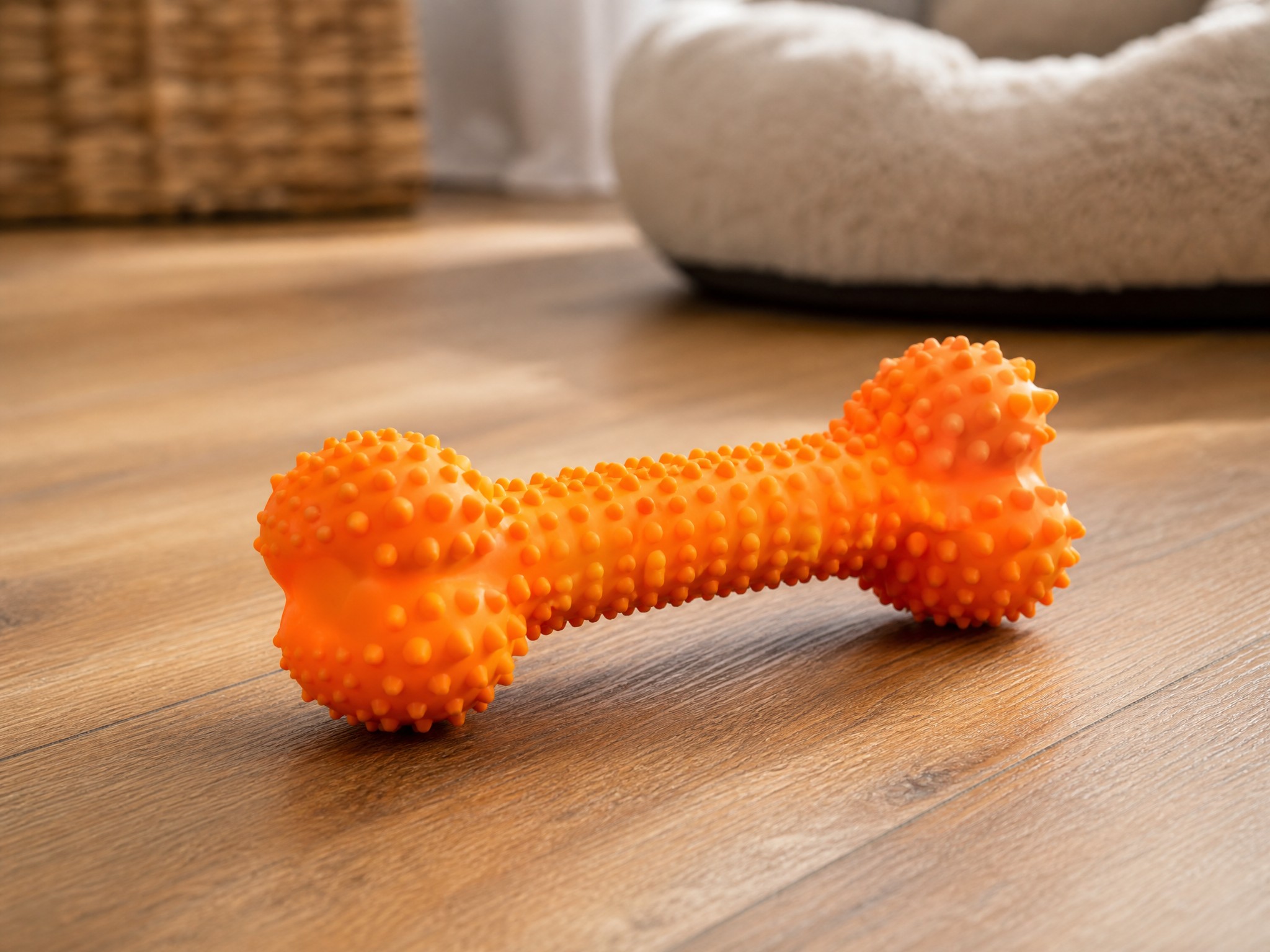
Stuffable Rubber Toy
Our pick: KONG Classic Dog Toy
Stuff a rubber toy with food and give it only when you leave. Your puppy learns that you walking out the door predicts the best thing of the day — the cornerstone of preventing separation anxiety.
As an Amazon Associate I earn from qualifying purchases. Product buttons are affiliate links — buying through them may earn us a small commission at no extra cost to you, and never changes what we recommend. Full disclosure.
Get the free New-Puppy Checklist
One page with the supply list, the pre-pickup setup, and the week-one routine. Free PDF, no email required.
Get the Free Checklist