Best Puppy Food: How to Pick a Top Formula (and 4 We'd Buy)
How to choose the best puppy food by reading the label, plus four reliable picks for everyday feeding. General guidance, always check with your vet.
Walk down the dog-food aisle and every bag promises the world. The truth is simpler than the marketing: a good puppy food is complete and balanced for growth, sized to your dog's breed, and something your puppy does well on. The brand on the front of the bag matters far less than the label on the back.
This guide explains what to look for, then lists four reliable picks for everyday feeding. Diet is the one area where it's worth checking specifics with your vet, especially for large breeds, so treat this as a starting point, not a prescription.
| Product | Best for | Price range | |
|---|---|---|---|
| Complete Puppy Food | Everyday growth nutrition | $$ | Check price → |
| Large-Breed Puppy Food | Big dogs and joint health | $$ | Check price → |
| Soft Training Treats | Low-calorie training rewards | $ | Check price → |
| Airtight Food Container | Keeping kibble fresh | $ | Check price → |
What a good puppy food actually has
Before you compare brands, learn to read the back of the bag. Three things matter most:
- A "complete and balanced" statement for growth. In the United States this is the AAFCO nutritional adequacy line. It tells you the food is formulated to meet a puppy's full nutritional needs, not just to be a topper or a snack.
- The right formula for your dog's size. Large and giant breeds need a large-breed puppy formula with controlled calcium and calories, which supports slower, steadier joint growth. Feeding a big puppy a rich small-breed food can do real harm.
- A named protein source near the top. "Chicken" or "lamb" tells you more than a vague "meat by-product." You don't need the most expensive bag, just a clearly formulated one your puppy digests well.
For the full label walkthrough, read how to choose puppy food. And whenever you switch foods, go slow: mix a little new food into the old over about a week so you don't upset your puppy's stomach.
Four picks we'd feed
These cover the everyday basics: a solid growth food, a large-breed option, the treats that make training painless, and the container that keeps it all fresh.
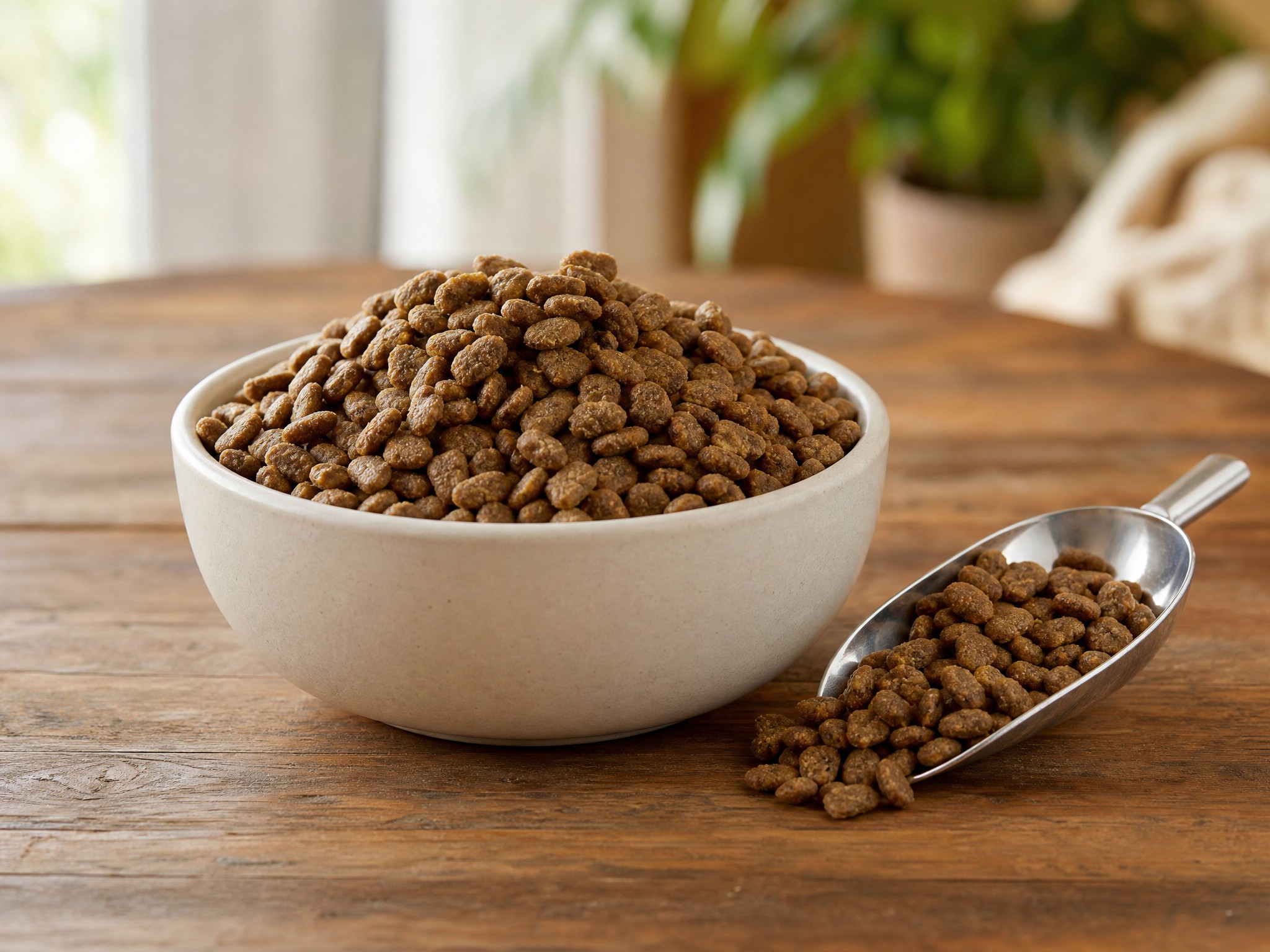
Complete Puppy Food
Our pick: Purina Pro Plan Puppy Chicken & Rice
A complete-and-balanced food labeled for growth is the backbone of healthy development. Pick one with a named protein and an AAFCO growth statement, and stick with it once your puppy is thriving on it.
Large-Breed Puppy Food
Our pick: Purina Pro Plan Large Breed Puppy
If your puppy will grow past about 50 pounds, a large-breed formula with controlled calcium and calories helps joints develop at a safe pace. This is the one food choice worth getting right early; ask your vet if you're unsure.
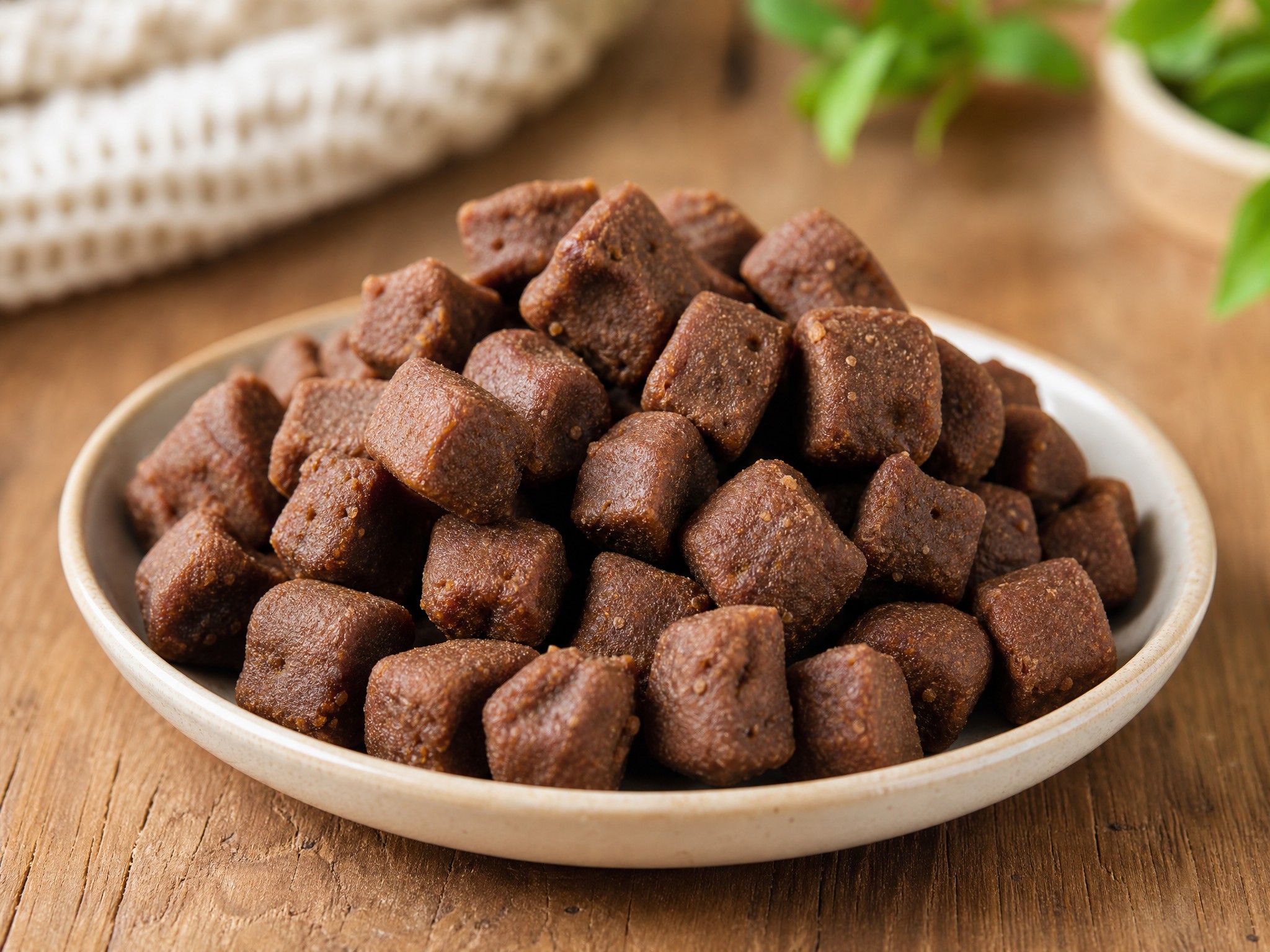
Soft Training Treats
Our pick: Zuke's Mini Naturals Training Treats
Tiny, soft, low-calorie treats are the fuel for short, happy training sessions. Keep treats to roughly ten percent of daily calories so they don't unbalance the diet, and break them smaller for quick repeat rewards.
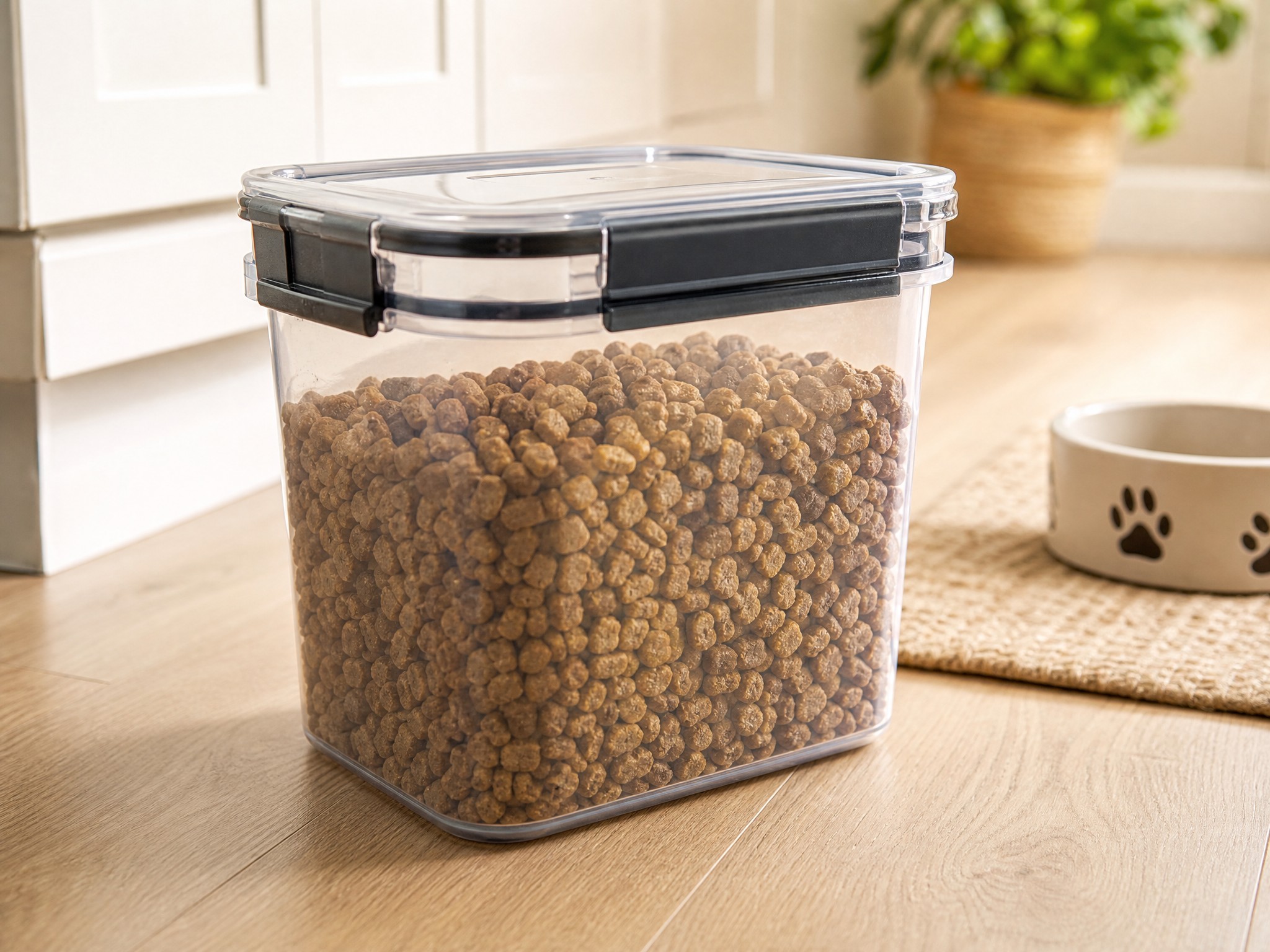
Airtight Food Container
Our pick: Gamma2 Vittles Vault Outback
Kibble goes stale and attracts pests once the bag is open. A sealed container with a scoop keeps the food fresh and makes consistent portions effortless, which matters more than you'd think for a growing pup.
As an Amazon Associate I earn from qualifying purchases. Product buttons are affiliate links — buying through them may earn us a small commission at no extra cost to you, and never changes what we recommend. Full disclosure.
For how much and how often to feed by age and size, see our puppy feeding guide. Curious whether fresh food is worth it? The kibble vs. fresh food comparison breaks down the trade-offs.
Shop the full category
Browse complete puppy foods, training treats, bowls, and storage in one place.
Questions owners ask
Get the free New-Puppy Checklist
Put the whole first month on one page — supplies, setup, and the routine that keeps training on track.
Get the Free Checklist