Kibble vs. Fresh Dog Food for Puppies: An Honest Comparison
Kibble vs. fresh dog food for puppies compared on cost, convenience, nutrition, and storage. Both can feed a puppy well, so here is how to choose.
Fresh, refrigerated dog food has gone from niche to mainstream, and plenty of new owners wonder if they should skip kibble for it. Both can feed a puppy well as long as the food is complete and balanced for growth. The real differences come down to cost, convenience, storage, and what your particular puppy does well on.
Here's an honest comparison so you can pick what fits your puppy and your week, without the marketing spin.
| Kibble (dry food) | Fresh / refrigerated food | |
|---|---|---|
| Cost | Lower per day | Higher, sometimes much higher |
| Convenience | Shelf-stable, scoop and serve | Needs fridge or freezer space |
| Shelf life | Months in a sealed container | Days once opened |
| Dental | Some chewing/abrasion benefit | Soft; no abrasion benefit |
| Picky eaters | Can be less tempting | Often more palatable |
| Get it | Check price → | Check price → |
The case for kibble
Quality dry food remains the default for most owners, and for good reasons. It's the most affordable way to feed a puppy a complete diet, it stores for months in a sealed container, and you can scoop a precise portion in seconds. A well-formulated kibble with an AAFCO growth statement meets all of a puppy's nutritional needs. The crunch also gives a little chewing action, though it's not a substitute for dental care.
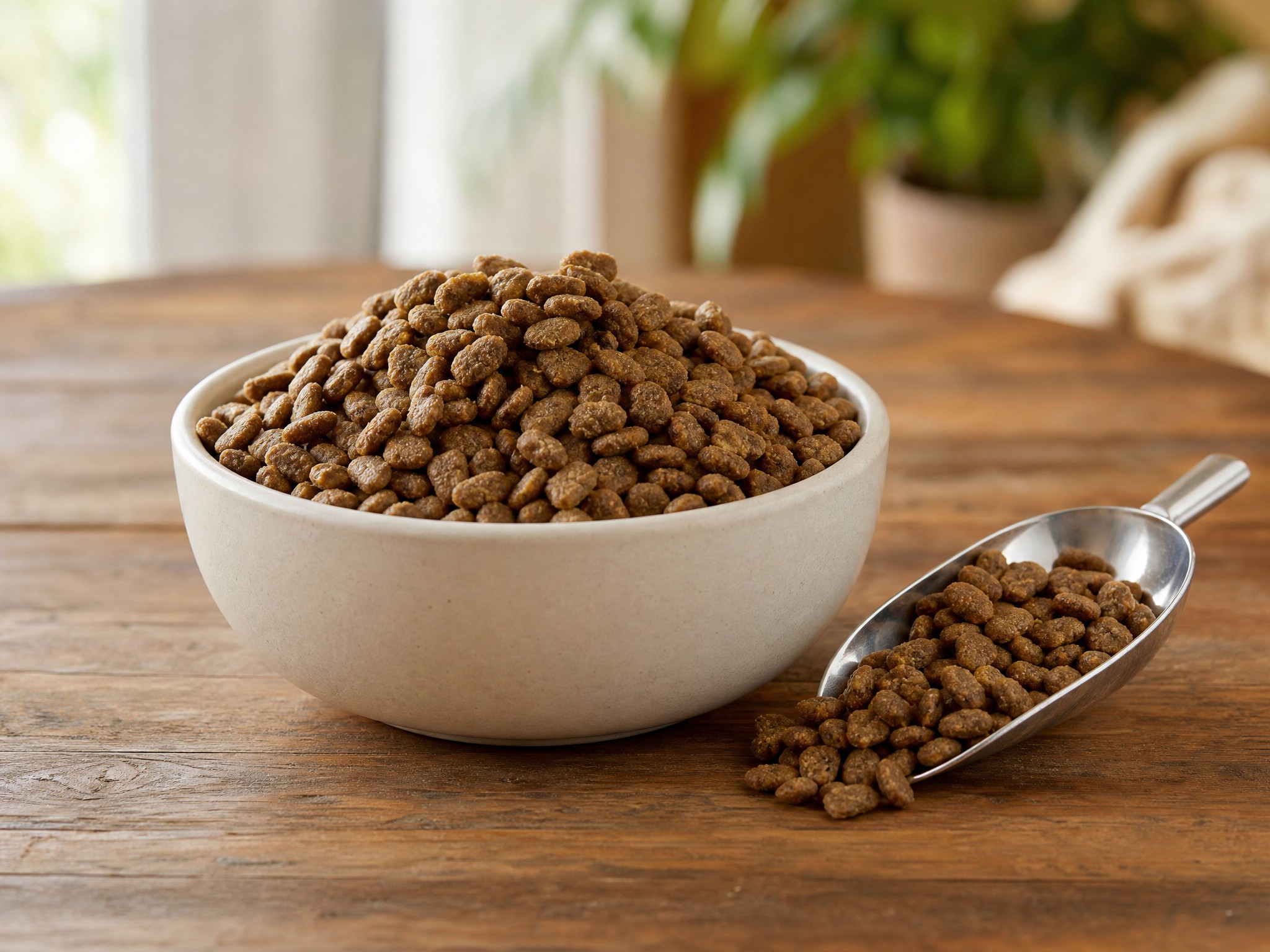
Complete Puppy Food (Kibble)
Our pick: Purina Pro Plan Puppy Chicken & Rice
A complete-and-balanced dry food labeled for growth covers a puppy's nutrition at the lowest cost per meal. Match the formula to your dog's breed size, and store it sealed to keep it fresh.
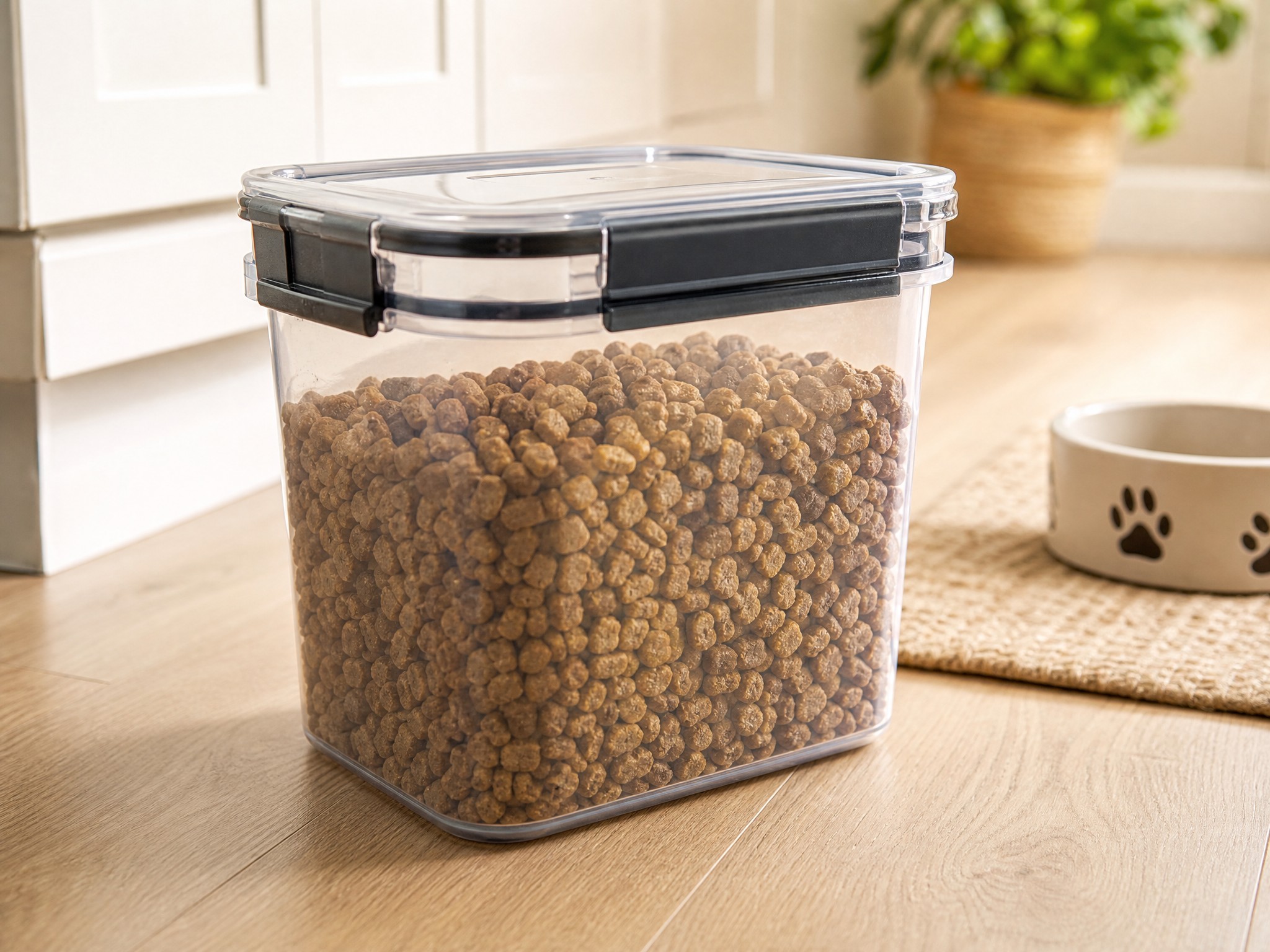
Airtight Food Container
Our pick: Gamma2 Vittles Vault Outback
Dry food loses freshness and attracts pests once the bag is open. A sealed bin with a scoop keeps it fresh and makes consistent portions easy, which matters for steady puppy growth.
The case for fresh
Fresh, gently cooked foods are often more palatable, which helps with picky eaters, and many owners like seeing recognizable ingredients. A complete-and-balanced fresh food can absolutely meet a growing puppy's needs. The trade-offs are real, though: it costs more per day, takes up fridge or freezer space, and has to be used within a few days of opening. For large-breed puppies especially, confirm the formula has the controlled calcium and calories a big-breed pup needs, and loop in your vet.
How to choose
Either route can raise a healthy puppy. Match the choice to your situation:
- Choose kibble if budget, simple storage, and quick portioning matter most. It's the easiest to get right.
- Choose fresh if your puppy is a picky eater or you prefer cooked food and the cost fits your budget.
- Mix them by topping kibble with a little fresh food, which boosts palatability while keeping cost down. Keep the diet's overall balance in mind and don't let toppers tip it.
Whatever you pick, switch foods gradually over about a week, and weigh your puppy regularly to keep growth on track. For portions and schedule, see the feeding guide, and for reading the label, how to choose puppy food.
A note on storage and safety
The two formats ask different things of you. Kibble is forgiving: keep it sealed in a cool, dry container, scoop a portion, and you're done. Fresh food needs more care, since it's refrigerated or frozen, has to be used within a few days of opening, and can spoil if it sits out at room temperature. If you feed fresh, don't leave a bowl down for hours, wash bowls after each meal, and follow the brand's storage dates closely. Neither approach is hard once it's a habit, but fresh food does add a few steps to your week that are worth knowing about before you commit.
As an Amazon Associate I earn from qualifying purchases. Product buttons are affiliate links — buying through them may earn us a small commission at no extra cost to you, and never changes what we recommend. Full disclosure.
Questions owners ask
Get the free New-Puppy Checklist
Put the whole first month on one page — supplies, setup, and the routine that keeps training on track.
Get the Free Checklist