Best Puppy Training Treats: Small, Soft, Low-Calorie Picks
The best puppy training treats: small, soft, low-calorie picks for fast rewards, plus a treat pouch and dispensing toy that reward without overfeeding.
Training treats are the paycheck you hand your puppy for getting something right. The best ones are tiny, soft, and low in calories, so you can reward a dozen sits in a row without filling your puppy up or throwing off their diet. Size and texture matter more than the flavor on the bag: a treat your puppy can swallow in a second keeps a session moving, while a hard biscuit they have to crunch breaks the rhythm every time.
Below are the four picks we'd keep in the treat pouch for a new puppy, from everyday soft bites to a high-value reward for hard distractions, plus the pouch and the toy that make training stick. Each comes with a plain note on why it earns its spot.
In this guide
| Product | Best for | Price range | |
|---|---|---|---|
| Soft Training Treats | Everyday reward, fast repeats | $ | Check price → |
| Freeze-Dried Treats | High-value, hard distractions | $$ | Check price → |
| Treat Pouch | Quick access during a session | $ | Check price → |
| Treat-Dispensing Toy | Solo chewing and pen time | $$ | Check price → |
Our four picks for a new puppy
You only need a couple of treat types to train a puppy well: a soft everyday bite for the bulk of your reps, and a richer reward for the moments your puppy has to ignore a real distraction. These four cover both, plus the gear that keeps treats handy.
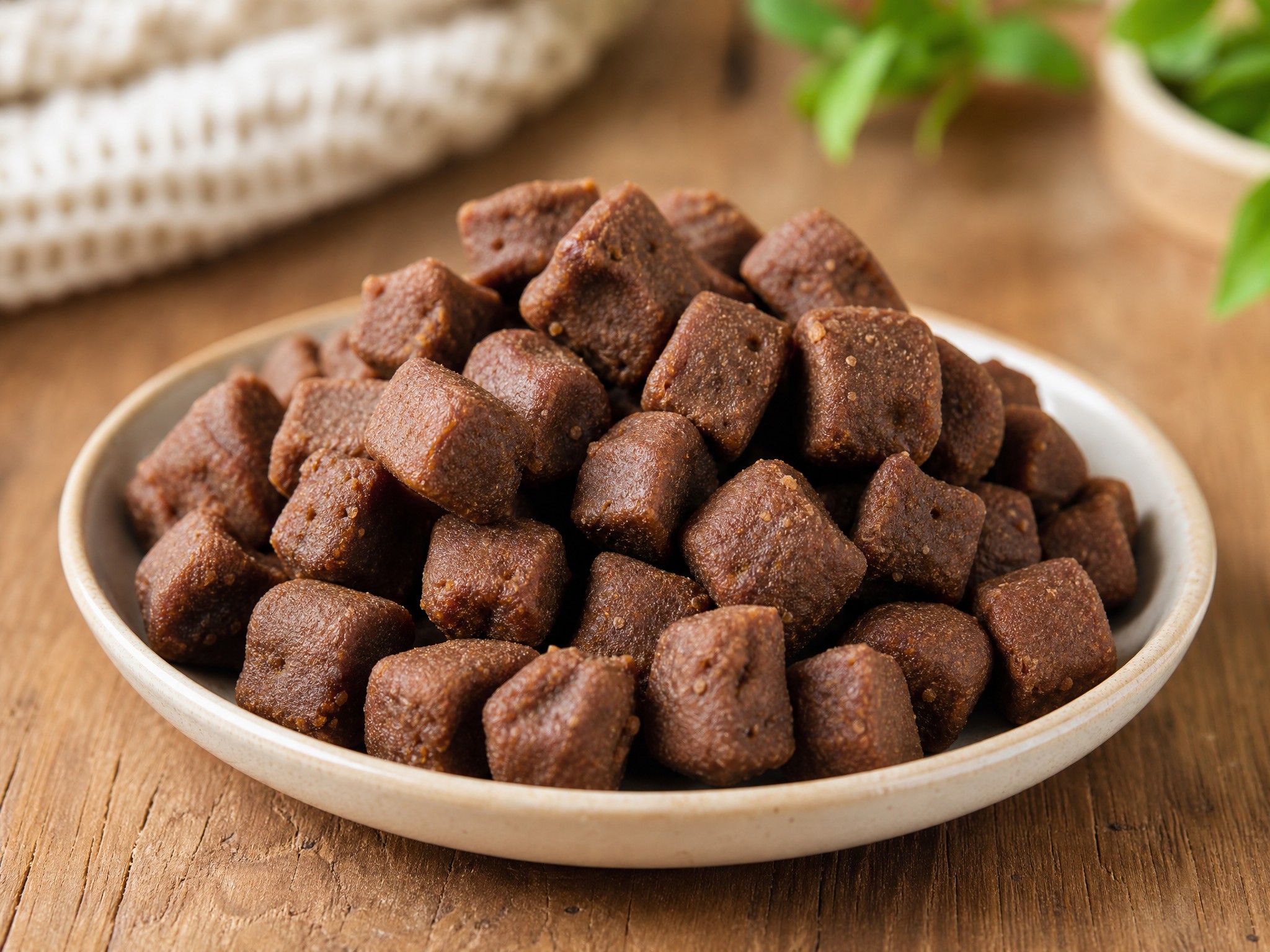
Soft Training Treats
Our pick: Zuke's Mini Naturals Training Treats
Small, soft, low-calorie treats are the everyday currency of puppy training. Because your puppy can eat one in a second, you can reward fast and keep the session flowing. Look for treats around three to five calories each, or ones you can pinch in half, so a long practice doesn't add up to a second dinner.
Freeze-Dried Treats
Our pick: Vital Essentials Freeze-Dried Beef Liver Treats
When you need your puppy to choose you over a squirrel or a new dog, a freeze-dried single-ingredient treat like liver raises the stakes. Save these for hard distractions and big wins so they keep their power. A pea-sized piece is plenty, because they're rich and the calories climb quickly.
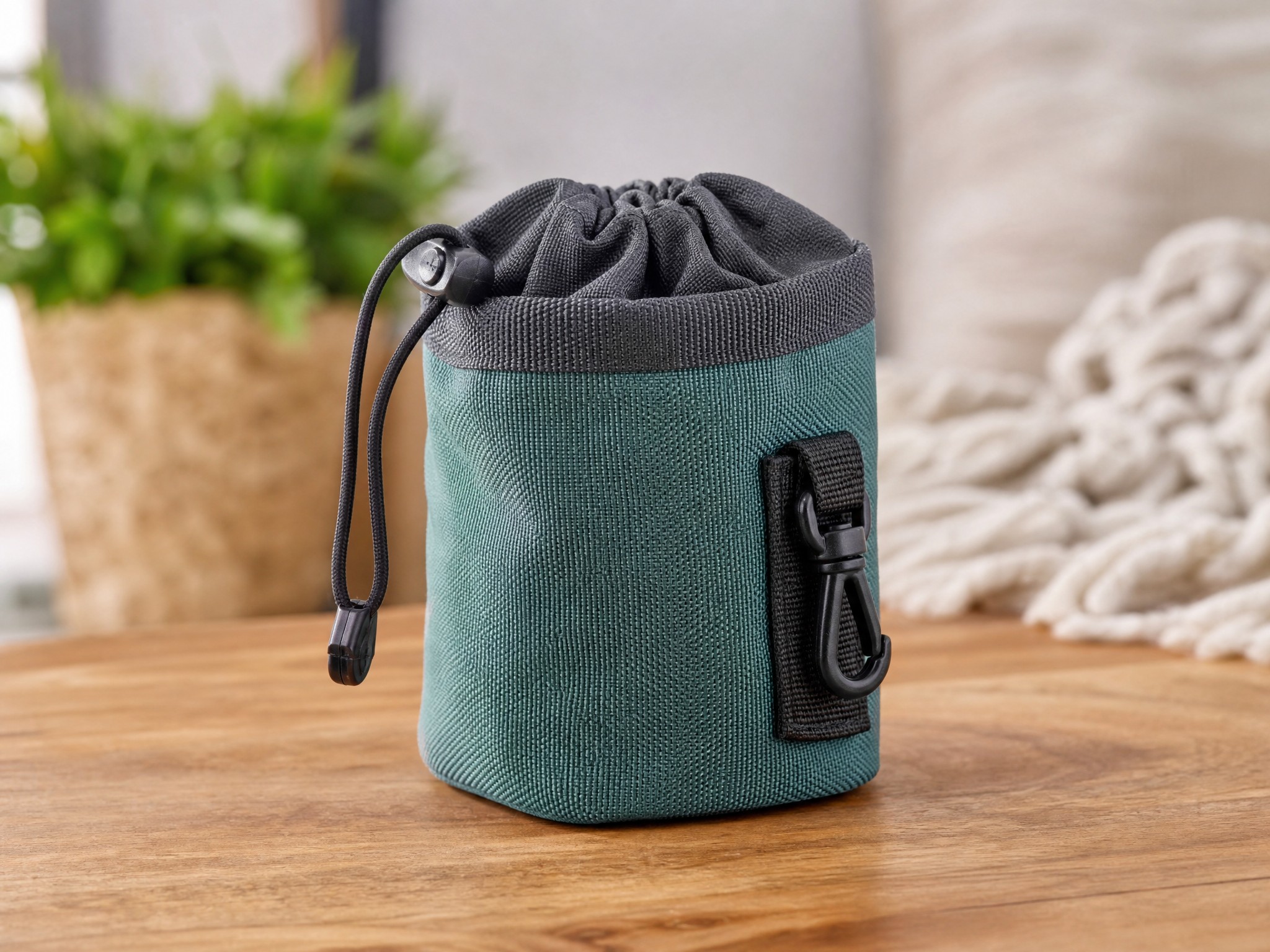
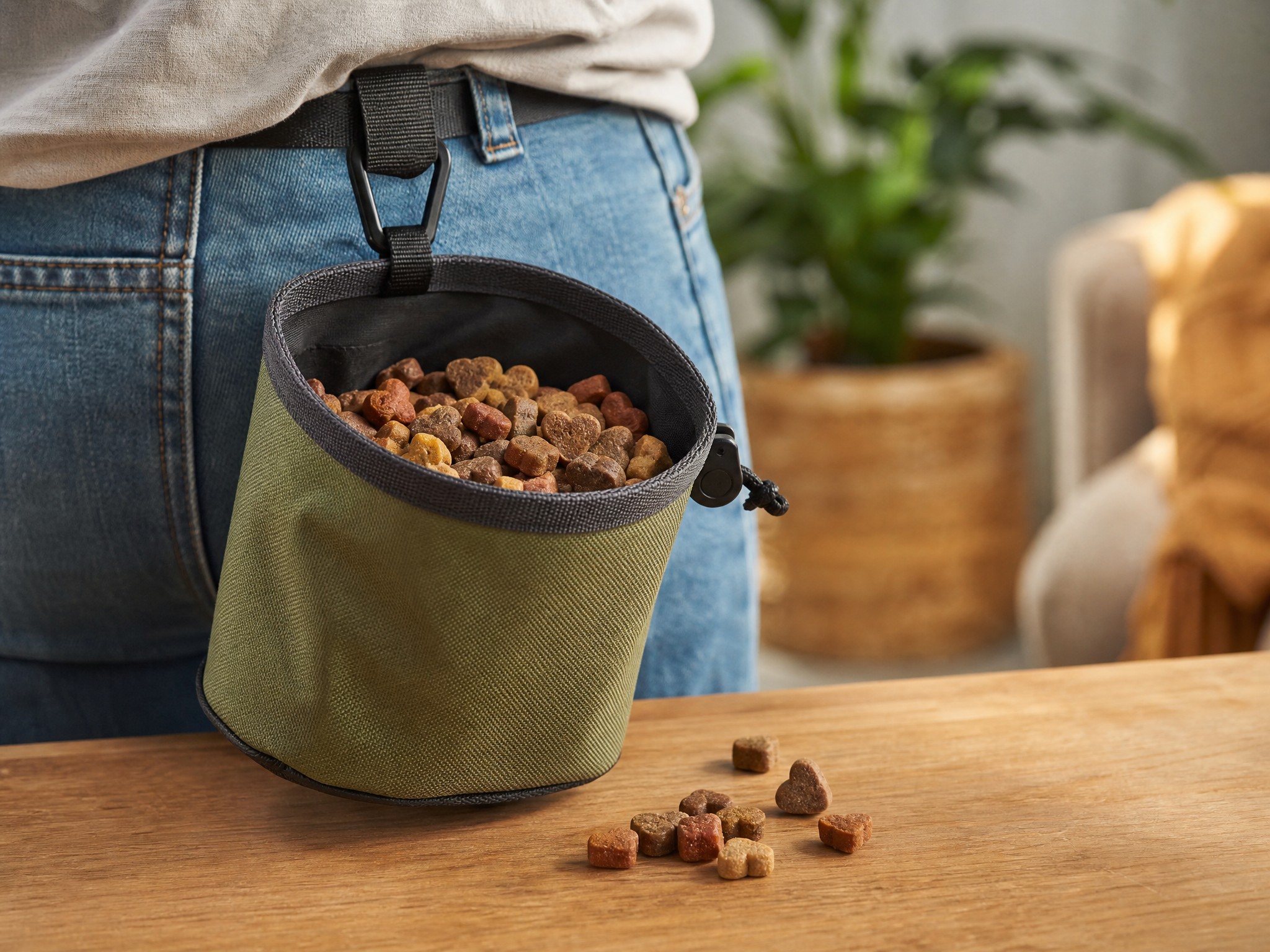
Treat Pouch
Our pick: PetSafe Sport Treat Pouch
Fumbling in a pocket costs you the half-second when timing matters most. A pouch that clips to your waist keeps rewards within reach and your hands free, so the treat lands the instant your puppy gets it right. A magnetic or hinged opening you can work one-handed beats a drawstring.
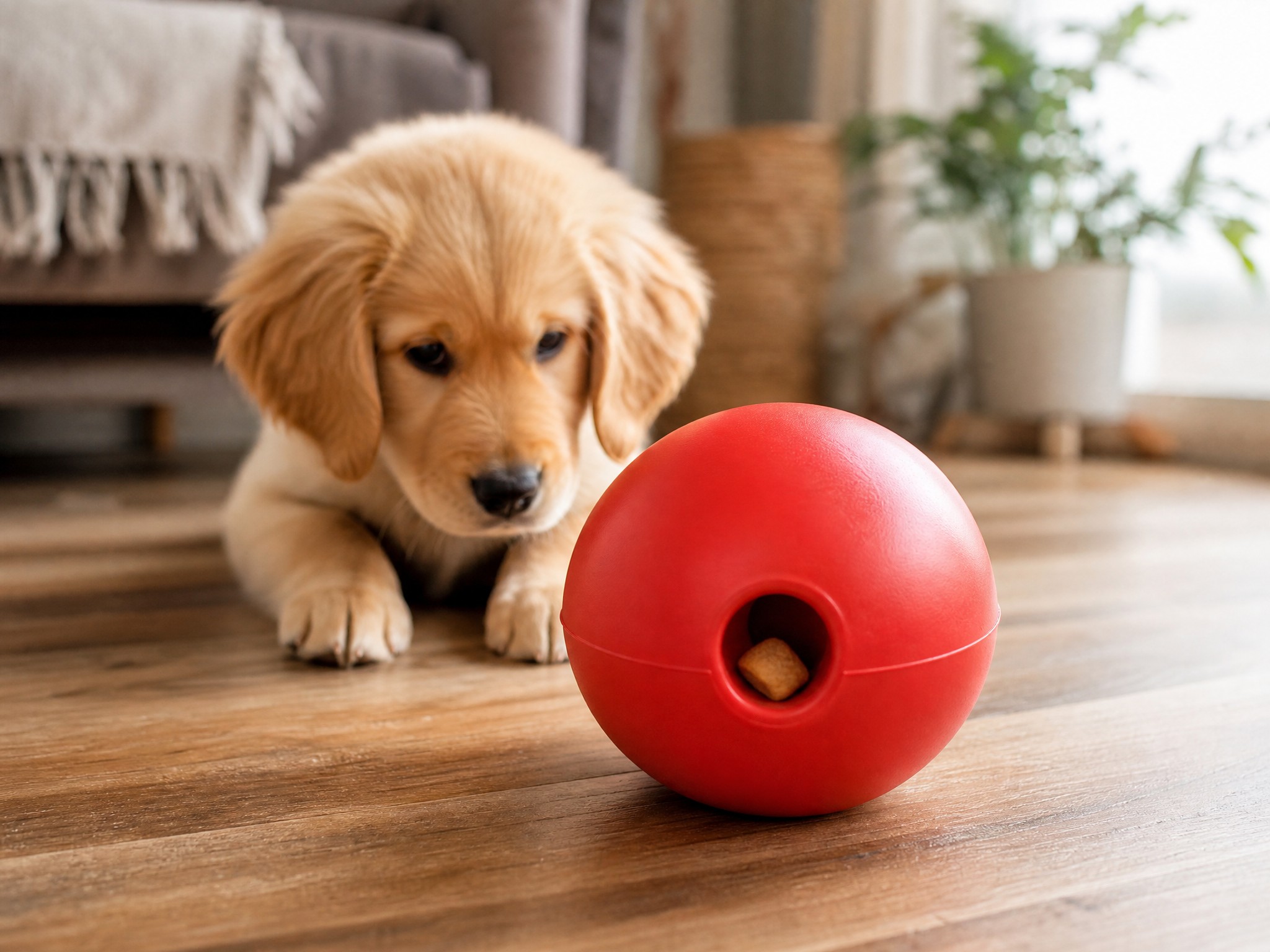
Treat-Dispensing Toy
Our pick: KONG Wobbler Treat Dispensing Toy
A toy that releases a few pieces as your puppy nudges it turns a handful of treats into twenty minutes of quiet work. It's the easy way to keep a puppy busy in the pen and to feed part of a meal as a puzzle instead of a bowl. Start it easy so your puppy wins early and stays interested.
As an Amazon Associate I earn from qualifying purchases. Product buttons are affiliate links — buying through them may earn us a small commission at no extra cost to you, and never changes what we recommend. Full disclosure.
How to use treats without overfeeding
Treats work, but they add up. Keep them to about ten percent of your puppy's daily calories so the rewards don't unbalance a carefully chosen food. A few habits make that easy:
- Go small. Break treats into pea-sized pieces. A puppy values the win, not the size of the bite, so one big treat broken into four gives you four rewards for the same calories.
- Use the kibble trick. For easy reps at home, reward with a few pieces of your puppy's regular food set aside from their meal. Save the special treats for new skills and harder distractions.
- Match the value to the job. A plain soft treat is fine for a sit in the kitchen. Bring out the freeze-dried meat for recall in the yard, where you're competing with the whole outdoors.
Short sessions beat marathons. Five minutes a few times a day teaches faster than one long drill, and it keeps the treats from piling up. For the skills to spend those treats on, see our basic commands guide, and to keep the overall diet in check, the puppy feeding guide covers portions by age and size.
What to skip
A few treats aren't worth the pouch space for a young puppy. Large, hard biscuits slow a session to a crawl and can be too much for tiny teeth. Anything with a long list of fillers, dyes, and sugar adds calories without much value. Rawhide and very hard chews belong in a different category from training rewards, and some carry a choking or blockage risk, so check with your vet before offering them. When you switch to a new treat, watch for loose stools the same way you would with a food change, and introduce it in small amounts. For the bigger feeding picture, our best puppy food roundup and the starter kit round out the basics.
Shop the full category
Training treats, a treat pouch, a clicker, and puzzle toys in one place.
Questions owners ask
Get the free New-Puppy Checklist
Put the whole first month on one page — supplies, setup, and the routine that keeps training on track.
Get the Free Checklist